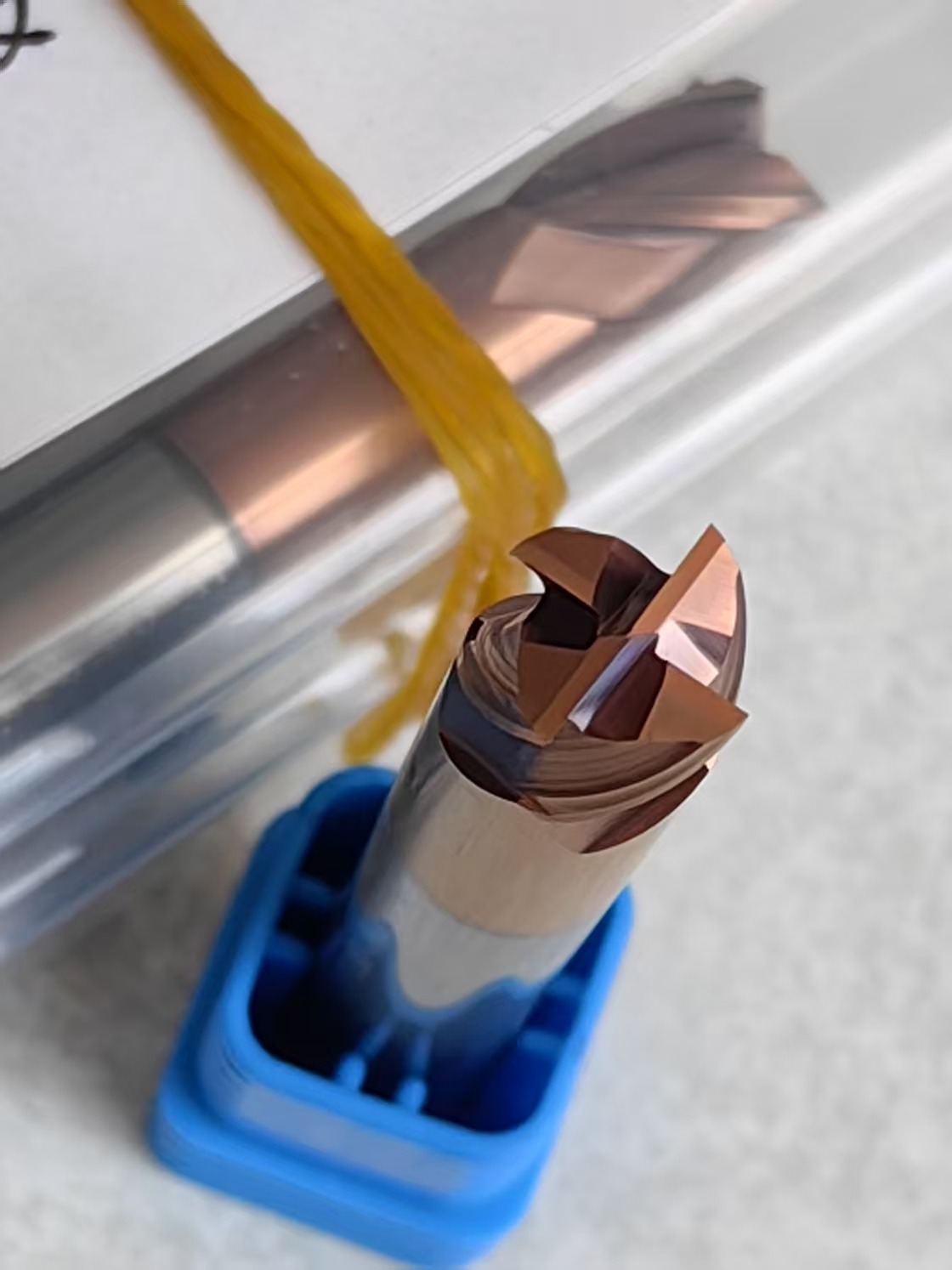
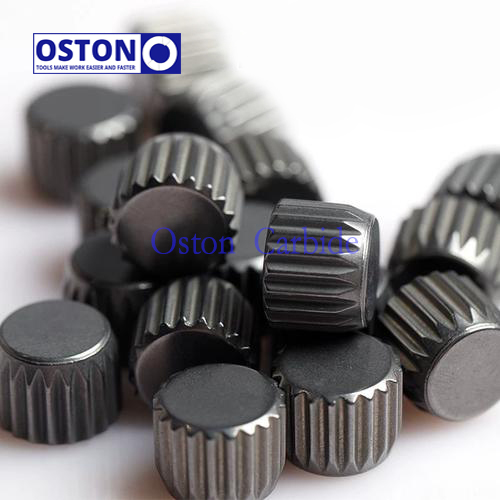
In the manufacture of carbide cutting tools, the cutting edge, after precision grinding, is not theoretically absolutely sharp under a microscope. Instead, it contains tiny notches, burrs, and microscopic irregularities. These defects are sources of stress concentration, significantly reducing the tool's resistance to chipping and initial wear during actual cutting. Therefore, the delicate process of "edge Honing" has emerged. It doesn't simply dull the cutting edge, but rather creates a small, uniform arc on the cutting edge through a controllable process, eliminating microscopic defects and thus greatly improving the tool's stability and lifespan.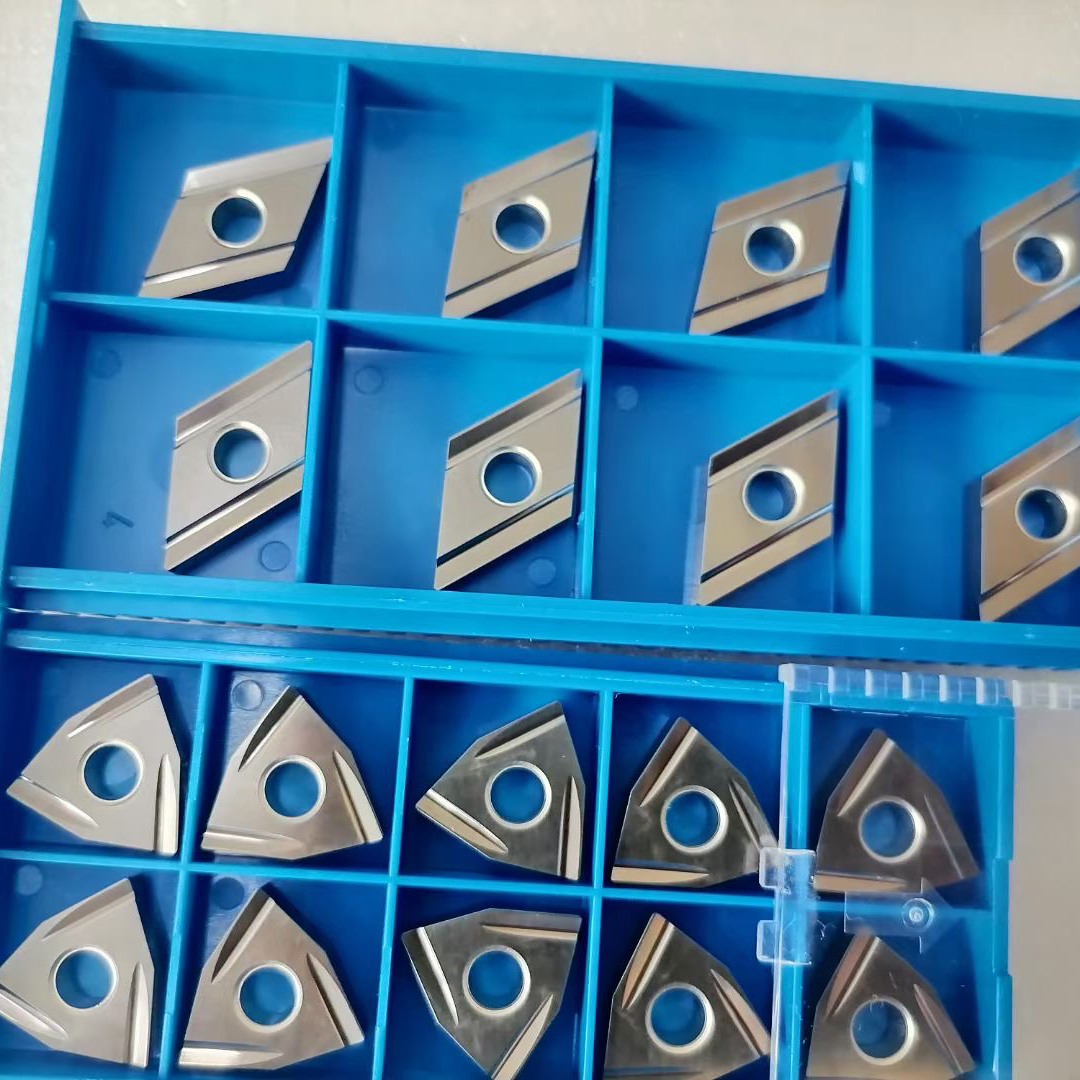
-Eliminating Stress Concentration: Removing "sharp points" such as microscopic notches and burrs that easily lead to crack initiation, replacing them with a smooth, rounded arc, resulting in a more uniform load distribution.
-Enhanced Mechanical Strength: A uniform, micro-blunt circle (typically with a radius between 0.01-0.05 mm) acts like an arch bridge, effectively enhancing the cutting edge's resistance to mechanical impact and fatigue.
-Improved Coating Adhesion: For tools requiring subsequent PVD/CVD coatings, a smooth, uniform passivated cutting edge provides a more ideal substrate for the coating, effectively preventing premature peeling at sharp edges.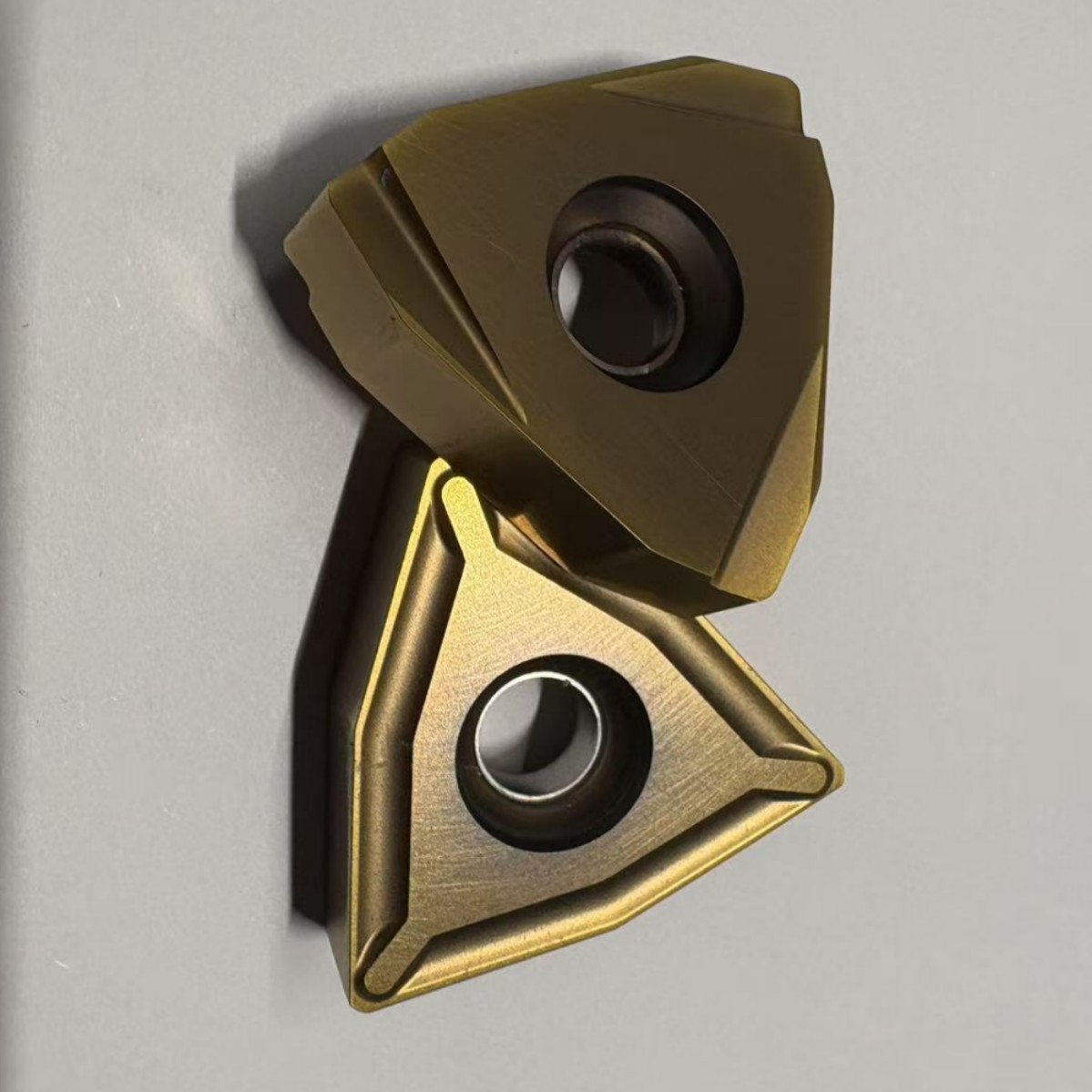
-Brush Honing: It uses a high-speed rotating nylon brush containing abrasive particles (such as silicon carbide or diamond) to gently brush the cutting edge. Advantages include strong adaptability, ability to handle complex cutting edges, and good surface consistency. Disadvantages include rapid brush wear and the need for strict parameter stability control.
-Magnetic Honing (Magnetic Abrasive Grinding):it places the tool and magnetic abrasive particles in a changing magnetic field. The abrasive particles finely grind the cutting edge under magnetic force. Advantages include good processing uniformity and accessibility, making it particularly suitable for complex locations such as internal cooling hole exits. The disadvantage is the high equipment investment.
-Sandblasting/micro-blasting Honing: This method uses compressed air to propel extremely fine abrasive particles (such as glass beads or alumina) onto the cutting edge. The advantages are high efficiency and low cost. The disadvantages are relatively high difficulty in controlling the roundness uniformity and susceptibility to the effects of blasting angle and distance.