
Steel-bonded cemented carbide is a new type of composite material produced by powder metallurgy with high manganese steel as the binder phase and refractory carbonized titanium or carbonized tungsten.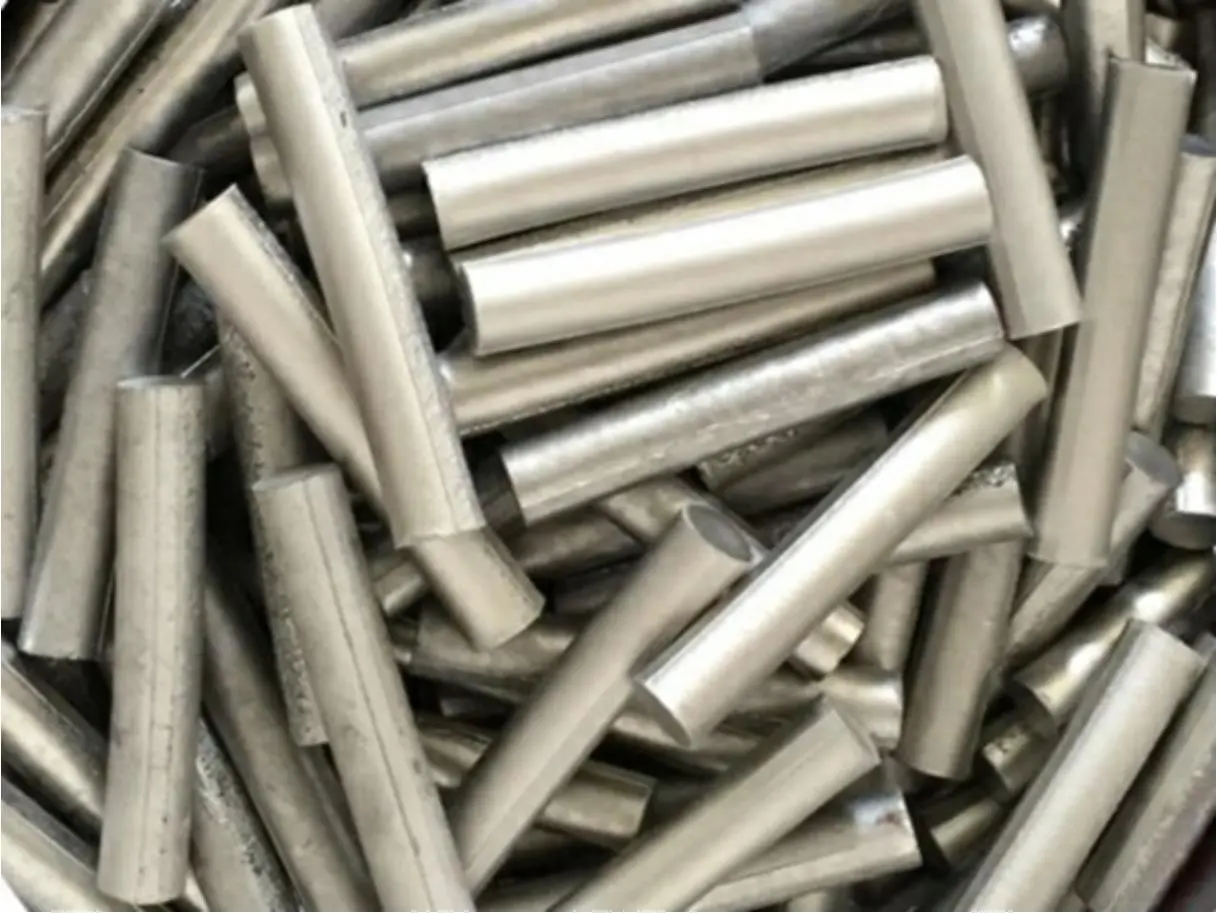

1. Good weldability and castability. The steel-bonded alloy matrix is a type of high-manganese steel, which exists in a single austenite phase at room temperature, and has high strength, which is beneficial to improve the resistance to thermal stress during casting. It can be welded with ordinary high-manganese steel electrodes, and can also be connected to the substrate by casting. It is simple to operate, easy to produce, and can reduce manufacturing costs and shorten production cycles.
2. High hardness and high wear resistance. A large amount of refractory metal carbide (titanium carbide) is dispersed in the steel alloy, which has high hardness; at the same time, the matrix is high manganese steel, which has work hardening characteristics, which greatly improves the wear resistance of the product.
3. Excellent price/performance ratio. Compared with tungsten-cobalt cemented carbide, the density of steel-bonded alloy is low (about 6.0g/cm3, which is 40% of tungsten-cobalt cemented carbide), and has a good cost performance advantage.
|
Grades
|
Density(g/cm³)
|
Hardness
|
T.R.S(n/m㎡)
|
Prosity
|
Application
|
|
GT35
|
6.40-6.60
|
≥ HRA
|
≥1400
|
A04B00
|
Various molds,Punching Dies
|
|
R5
|
6.30-6.50
|
≥HRA 85
|
≥1200
|
A04B00
|
Wear parts,Guide rollers,etc
|
|
GB10
|
5.80-6.20
|
≥HRC 65
|
≥1500
|
A04B00
|
Mining bits,rotor bits,etc. |
|
TM52
|
6.10-6.30
|
≥HRC 60
|
≥1500
|
A04B00
|
|
|
TM60
|
6.30-6.50
|
≥HRC 60
|
≥1500
|
A04B00
|

TM52 Steel Bonded Titanium Carbide is mainly used in high manganese steel crusher hammer head, rolling mortar wall, crushing wall, large jaw plate, vertical mill grinding disc lining plate, ball mill lining plate, impact breaker hammer and other crusher wear-resistant parts and excavator bucket teeth shovel teeth , blast furnace batching device without bell blast furnace throat feeding chute and coal mill grinding roller and other wear-resistant parts.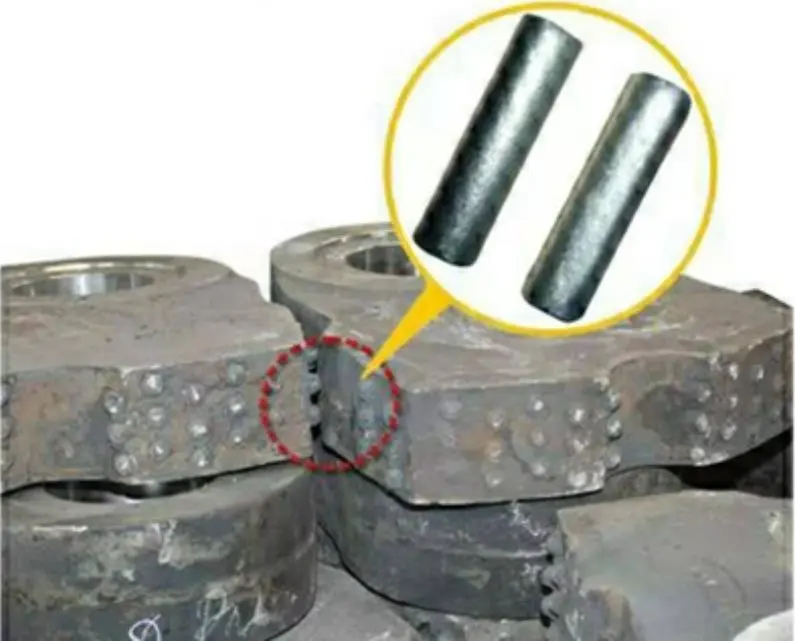
There are generally three ways to connect the alloy to the substrate (steel part). One is casting, the alloy inserts are placed in the sand mold, and the liquid steel matrix is poured into the sand mold cavity to connect naturally. In this way, there are "D" hammer heads, etc.; The steel base and the alloy are welded together. This way is connected with a toothed hob. The third way is the pressure-inserted connection. The steel base is drilled and the alloy is pressed into the hole by interference fit. This way is connected with a tooth wheel Drills, pressure rollers of high pressure roller mills, etc.
